

By Dr. Michael Goldkind, DMD
Braces are one of the most common orthodontic treatments, but patients still have plenty of questions before starting. These braces FAQs cover treatment time, discomfort, food choices, cleaning, cost, appointments, and what to expect with braces from the first consultation to the day they come off.
At Goldkind Family Orthodontics in Morristown, braces treatment is available for children, teens, and adults, with options that may include traditional metal braces, clear ceramic braces, Invisalign, digital scanning, and personalized treatment planning. Our practice offers braces and Invisalign for the whole family, uses iTero digital scanning, and provides orthodontic care from its Morristown office.
What Are Braces?
Braces are fixed orthodontic appliances that move teeth gradually using brackets, wires, and gentle pressure. They can help correct crowded teeth, gaps, rotated teeth, overbites, underbites, crossbites, and other bite concerns.
A helpful way to think about braces treatment explained is this: braces do not move teeth all at once. They guide teeth in small, planned steps over time. The orthodontist adjusts the wire and monitors progress so the teeth move toward healthier positions.
For many patients, braces are not only about appearance. Straighter teeth can be easier to clean, and a better bite can help the teeth fit together more evenly.
How Do Braces Work?
Braces use brackets attached to the teeth and an orthodontic wire that connects them. The wire applies controlled pressure, and the teeth respond by moving slowly through the bone into new positions.
This is why regular appointments matter. During visits, the orthodontist checks the bite, adjusts the wires, changes elastics if needed, and confirms that treatment is moving in the right direction.
If you want braces treatment explained simply, braces are a guided system. The brackets hold the wire, the wire directs movement, and the orthodontist controls the plan. Goldkind Family Orthodontics also uses iTero digital scanning, which captures a 3D model of the teeth and gums without traditional putty impressions.
Do Braces Hurt?

One of the most common questions about braces is: do braces hurt? Braces should not feel painful all the time, but some soreness is normal, especially after they are first placed or adjusted.
Patients may feel pressure, tenderness when biting, or mild irritation on the cheeks and lips while the mouth adjusts. This usually improves within a few days. Orthodontic wax, soft foods, and following the orthodontist’s instructions can help make the adjustment period easier.
So, do braces hurt enough to stop normal activities? Usually, no. Most patients continue school, work, and daily routines. The discomfort is usually temporary and part of the tooth movement process.
How Long Do Braces Take?
Another major question is: how long do braces take? Treatment time depends on the patient’s age, the complexity of the case, the bite, the type of movement needed, and how well the patient follows instructions.
Some minor cases may take less time, while more involved bite correction or severe crowding can take longer. Many braces treatments fall somewhere around 18 to 24 months, but the only accurate estimate comes after an orthodontic evaluation.
If you are wondering how long do braces take for your child, teen, or yourself, the consultation is where the orthodontist reviews the teeth, bite, and goals before giving a realistic timeline.
What Should You Expect With Braces?
Knowing what to expect with braces can make treatment feel less intimidating. The process usually begins with a consultation, exam, digital scan or records, and a treatment recommendation.
Once braces are placed, patients return for regular appointments. These visits allow the orthodontist to monitor progress, make adjustments, and answer questions. At home, patients need to brush carefully, avoid certain foods, wear elastics if prescribed, and keep appointments.
For patients asking what to expect with braces, the biggest lifestyle changes are usually eating, cleaning, and getting used to how braces feel. Most patients adapt quickly once they understand the routine.
Are Braces Only for Teens?
No. Braces are not only for teenagers. Braces for teens and adults can both be effective when treatment is planned properly.
Teenagers are often good candidates because most permanent teeth have erupted and the jaw is still developing. Adults may choose braces to correct crowding, bite problems, shifting after past treatment, or smile concerns they have wanted to address for years.
Goldkind Family Orthodontics provides orthodontic care for children, teens, and adults and describes adult orthodontics as an option for patients who want to straighten teeth and correct bite issues later in life. For braces for teens and adults, the right option depends on the patient’s goals, oral health, and treatment needs.
What Is the Best Age for Braces?
The best age for braces depends on the child’s growth, tooth eruption, bite, and orthodontic needs. Not every child needs braces at the same age.
Many children should have an orthodontic evaluation around age 7. That does not mean braces start immediately. Early visits help the orthodontist check jaw growth, permanent tooth development, crowding, spacing, and bite concerns.
For many patients, the best age for braces may be during the early teen years, when most permanent teeth are in. For others, early treatment or adult treatment may be recommended. The best timing is always based on the individual case.
What Foods Should You Avoid With Braces?
Food choices matter because certain foods can bend wires, loosen brackets, or make cleaning harder. The main foods to avoid with braces are sticky, hard, crunchy, or chewy foods.
Common foods to avoid with braces include:
- hard candy
- sticky caramels
- gum
- popcorn kernels
- ice chewing
- whole nuts
- hard pretzels
- biting directly into apples or corn on the cob
- very chewy bagels or crusty bread
Patients can still eat a wide range of foods with braces. Soft foods, smaller bites, and cutting harder foods into pieces can make eating safer and more comfortable during treatment.
How Do You Keep Braces Clean?
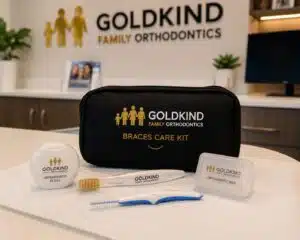
Good home care is one of the most important braces maintenance tips. Brackets and wires create more places for food and plaque to collect, so brushing and flossing need extra attention.
Helpful braces maintenance tips include brushing after meals, cleaning around each bracket, flossing daily with orthodontic flossers or threaders, using a small interdental brush when recommended, and rinsing after snacks when brushing is not possible.
Patients should also keep regular dental cleanings. Orthodontic visits move the teeth, but dental cleanings still help protect the gums, enamel, and overall oral health.
How Often Are Braces Appointments?
Braces appointments are usually scheduled every few weeks, depending on the treatment plan. These visits help the orthodontist check progress, adjust wires, replace elastics, and make sure the teeth are moving as expected.
Missing appointments can delay treatment. If a bracket breaks or a wire feels uncomfortable, patients should contact the office rather than waiting too long.
What Are the Different Braces Cost and Options?
Patients often ask about braces cost and options before starting treatment. Cost depends on the complexity of the case, treatment length, the type of appliance, insurance benefits, and whether additional appliances or retainers are needed.
Common braces cost and options may include metal braces, clear ceramic braces, Invisalign, retainers, and payment plans. We offer traditional metal braces, clear ceramic braces, and Invisalign, and the Invisalign page says financing options are available and insurance benefits can be reviewed during consultation.
The best way to understand cost is to schedule an orthodontic consultation. A personalized estimate is more useful than a general online range because every case is different.
Can You Play Sports With Braces?
Yes, many patients play sports with braces. The important step is wearing a mouthguard. A mouthguard can help protect the lips, cheeks, teeth, and braces during contact or high-impact activities.
Patients should ask the orthodontist which type of mouthguard is best during active treatment. A regular boil-and-bite guard may not always fit well over braces, so guidance matters.
Can You Play Instruments With Braces?
Yes. Patients who play wind or brass instruments can usually continue playing after a short adjustment period. The lips and mouth may feel different at first, but most patients adapt with practice.
Orthodontic wax can help reduce irritation while the mouth adjusts. If playing becomes uncomfortable, the orthodontist can offer tips based on the patient’s appliance and instrument.
What Happens After Braces Come Off?
After braces come off, retainers help keep the teeth in their new positions. This step is not optional if you want to protect your results.
Teeth naturally shift over time. Retainers reduce that risk and help maintain the alignment created during treatment. The orthodontist will explain how often to wear retainers and how to care for them.
For many patients, retention is the final and longest part of braces treatment explained because maintaining the result matters just as much as getting there.
When Should You Schedule a Braces Consultation?
A consultation is a good idea if you notice crowding, gaps, bite problems, jaw shifting, difficulty cleaning crooked teeth, or teeth moving after past orthodontic treatment. Parents should also consider an early evaluation if a child’s adult teeth appear crowded or the bite looks uneven.
We offer braces in Morristown, Invisalign, iTero scanning, and orthodontic care for all ages. Patients can request an appointment through our appointment request page.
Braces FAQs: Final Thoughts
These braces FAQs cover the basics, but the best answers come from an orthodontic evaluation. Treatment time, cost, appliance choice, discomfort, food restrictions, and maintenance all depend on the patient’s teeth, bite, and goals.
If you still have common questions about braces, Goldkind Family Orthodontics can walk you through what to expect, explain your options, and help you decide whether braces, clear braces, Invisalign, or another treatment makes sense.
Request an appointment to get your questions answered in person.
Frequently Asked Questions
What are the most common braces FAQs?
Common braces FAQs include whether braces hurt, how long treatment takes, what foods to avoid, how to clean braces, how much braces cost, and whether braces are right for children, teens, or adults.
Do braces hurt when first placed?
Braces may cause soreness or pressure for a few days after placement or adjustments. This discomfort is usually temporary and improves as the mouth adjusts.
How long do braces take?
Treatment time varies based on the case. Some patients need shorter treatment, while more complex alignment or bite concerns may take longer.
What should I expect with braces?
You should expect regular adjustment visits, careful brushing and flossing, some food changes, and gradual tooth movement over time.
Are braces for teens and adults?
Yes. Braces for teens and adults can both be effective. The treatment plan depends on the patient’s age, bite, tooth alignment, and goals.
What foods should I avoid with braces?
Foods to avoid with braces include hard candy, gum, sticky caramels, popcorn kernels, ice, hard pretzels, and foods that require biting with too much force.
What are the best braces maintenance tips?
Brush carefully around brackets, floss daily, keep dental cleanings, avoid damaging foods, wear elastics if prescribed, and attend orthodontic appointments.
What is the best age for braces?
The best age for braces depends on the child’s development. Many children should have an orthodontic evaluation around age 7, but braces may begin later depending on the case.
What are the main braces cost and options?
Braces cost and options depend on treatment complexity, appliance type, insurance, and payment plans. Options may include metal braces, clear braces, Invisalign, and retainers.